Designing Environmental Intelligence for Resilience, Trust, and Action
We design Environmental Intelligence systems that are:
Grounded in existing institutions and mandates
Built on trusted environmental and community data
Governed through responsible data-sharing models
Useful for real decisions, not just reporting
Designed for public value, local ownership, and long-term resilience
"The EI Programme materials define Environmental Intelligence as a way of combining climate, environmental, community, and institutional data to support better decisions before, during, and after climate-related events."
Shifts We Enable
These shifts reflect how we rethink environmental innovation across African systems.
Environmental Intelligence
We help institutions transform environmental, climate, ecological, and community data into usable intelligence for resilience, adaptation, and sustainable development.


A Holistic Approach to Environmental Intelligence
Our work moves across three interconnected pillars.
Learn
We uncover what is true, what matters, and what will work
Environmental Intelligence begins with understanding the system before designing the intervention. We study the environmental, institutional, technical, financial, and community realities that shape a problem — identifying what already exists, where the gaps are, and what decisions need to be improved.
- Understand environmental systems, stakeholder ecosystems, and institutional mandates
- Assess data landscapes, policies, governance structures, and implementation conditions
- Surface community insights, opportunities, risks, and assumptions that shape what will work
Create
We design the systems, services, and pathways needed to move forward
We translate insight into practical Environmental Intelligence architectures — the strategies, governance models, service designs, data flows, decision loops, and implementation pathways that help institutions move from fragmented information to coordinated action.
- Co-design data models and service architectures
- Formulate governance strategies and data policies
- Map decision loops and sustainable program pathways
Empower
We turn strategy into adoption, capability, and long-term resilience
Environmental Intelligence only matters if people and institutions can use it, govern it, and sustain it. We work with partners to test, embed, and scale solutions — building the capability, ownership, and feedback loops needed for systems to survive beyond our involvement.
- Design and test pilots through co-creation, prototyping, and implementation support
- Build institutional capacity and support partners to adopt new ways of working
- Capture learning, adapt what works, and create pathways for replication and scale
Meet our project team
A multidisciplinary team working across environmental research, climate innovation & Data Governance.

Arthur Oyako
Project Director

Dominic Lwande
Lead Researcher

Diana Zoro
Civic Designer

Eli Otieno
AI Engineer
Case Studies
Our Work in Action
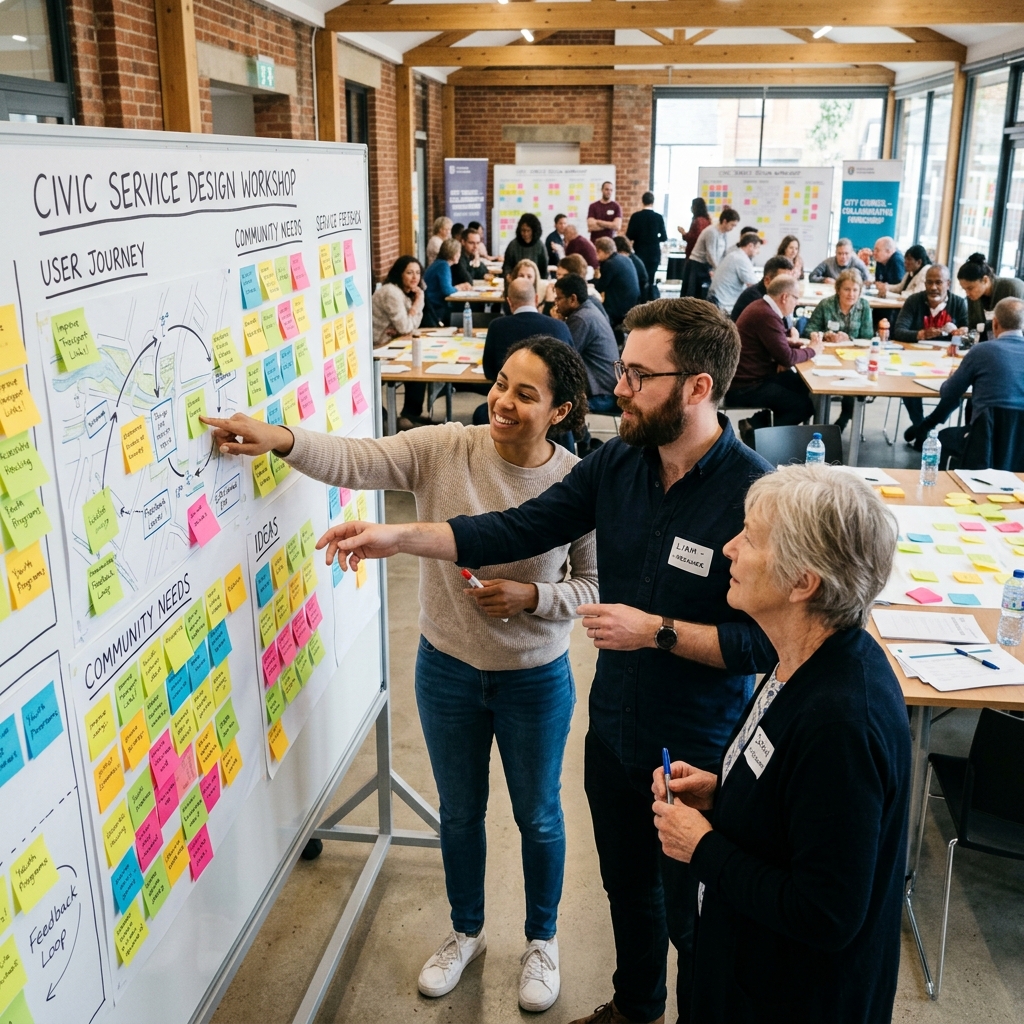
Designing Data Governance for Transboundary Environmental Resilience
A NATIONWIDE OPPORTUNITIES PLAN FOR SUSTAINABLE AI ADOPTION
what we're learning
Insights
Environmental Data Is Not Enough
Africa is not short of environmental data. The deeper challenge is turning fragmented signals into trusted intelligence that institutions can act on. Environmental Intelligence must connect ecological, climate, socioeconomic, and community data into a shared decision-making layer.
Build on Existing Systems, Not Around Them
Regional climate and environmental institutions already hold critical infrastructure, mandates, and trust. The most useful innovation often comes from connecting and strengthening what exists — not building parallel platforms.
Community Intelligence Is Infrastructure
Local actors are not just recipients of environmental information. They observe ecosystem change, validate risk signals, report field conditions, and help close the gap between data and action.
Innovation Needs Reliable Environmental Rails
Climate startups cannot build strong products without trusted environmental data. An open Environmental Intelligence layer can become the infrastructure on which innovators can build.
Interested in Environmental Intelligence?
Let's explore how we can partner to drive meaningful impact.
Partner with us