Our contribution to Kenya’s AI in Health Opportunities Plan helped shape national thinking on how stronger health systems are built in practice — not through fragmented pilots, but through approaches that improve continuity, strengthen frontline workflows, and close critical service delivery gaps.
Building on that foundation, we are particularly interested in the role of Community Health Units (CHUs). CHUs are already embedded in communities, connected to households, and linked to nearby facilities. We see strong potential in strengthening them not only as formal health structures, but as practical, trusted systems that can improve referral closure, generate meaningful community-level intelligence, and support frontline workers more consistently over time.
"For us, the opportunity is in helping CHUs move from form to function — so they work more effectively in practice, create stronger links between households and care, and become a more useful foundation for responsive primary health care."
What We Are Focused On
We focus our energy where households, community networks, and healthcare facilities connect.
Referral closure
Strengthening the pathway between households, CHUs, and facilities so referrals are not only issued, but acknowledged, followed up, and completed.
Community intelligence
Exploring how CHUs can support the flow of useful, structured information from communities — for health follow-up, local planning, and broader decision-making.
Frontline support
Looking at how community health workers can be better supported through practical tools, ongoing reinforcement, and continuous learning built into day-to-day work.
How We Work
Our approach combines research, systems thinking, design, and implementation strategy. We work to understand how systems function in real life, where they break down, and what it takes to make them more practical, connected, and responsive.
Why It Matters
Stronger health systems are built through the everyday connections between communities, frontline workers, and the services people rely on. By strengthening those connections, we can help create health systems that are more responsive, more grounded, and more useful to the people they are meant to serve.
A Holistic Approach to Health
Our work moves across three interconnected pillars.
Learn
We generate insights that matter
We generate insight that helps make health systems more responsive, grounded, and useful in practice. This includes research, systems mapping, field inquiry, and strategic analysis that surface how care actually works at the community level. Through this work, we help identify the gaps, frictions, and opportunities that shape referral systems, frontline workflows, and the everyday connection between households and services.
Create
We design practical community solutions
We turn insight into practical approaches for stronger community health systems. This includes designing concepts, models, and implementation pathways that help CHUs function more effectively — whether by strengthening referral closure, improving the flow and use of community-level information, or shaping systems that better support frontline workers. Our focus is on creating solutions that are realistic, useful, and rooted in how communities and health systems already operate.
Empower
We strengthen people and systems
We are interested in strengthening the people and systems that make community health work. This means supporting frontline workers through continuous learning, practical tools, mentorship, and reinforcement built into day-to-day service delivery. It also means helping community-facing structures such as CHUs become more confident, better connected, and more capable of responding to the needs of the households they serve.
Meet our project team
A multidisciplinary team dedicated to health systems innovation, field research, and strategic design.
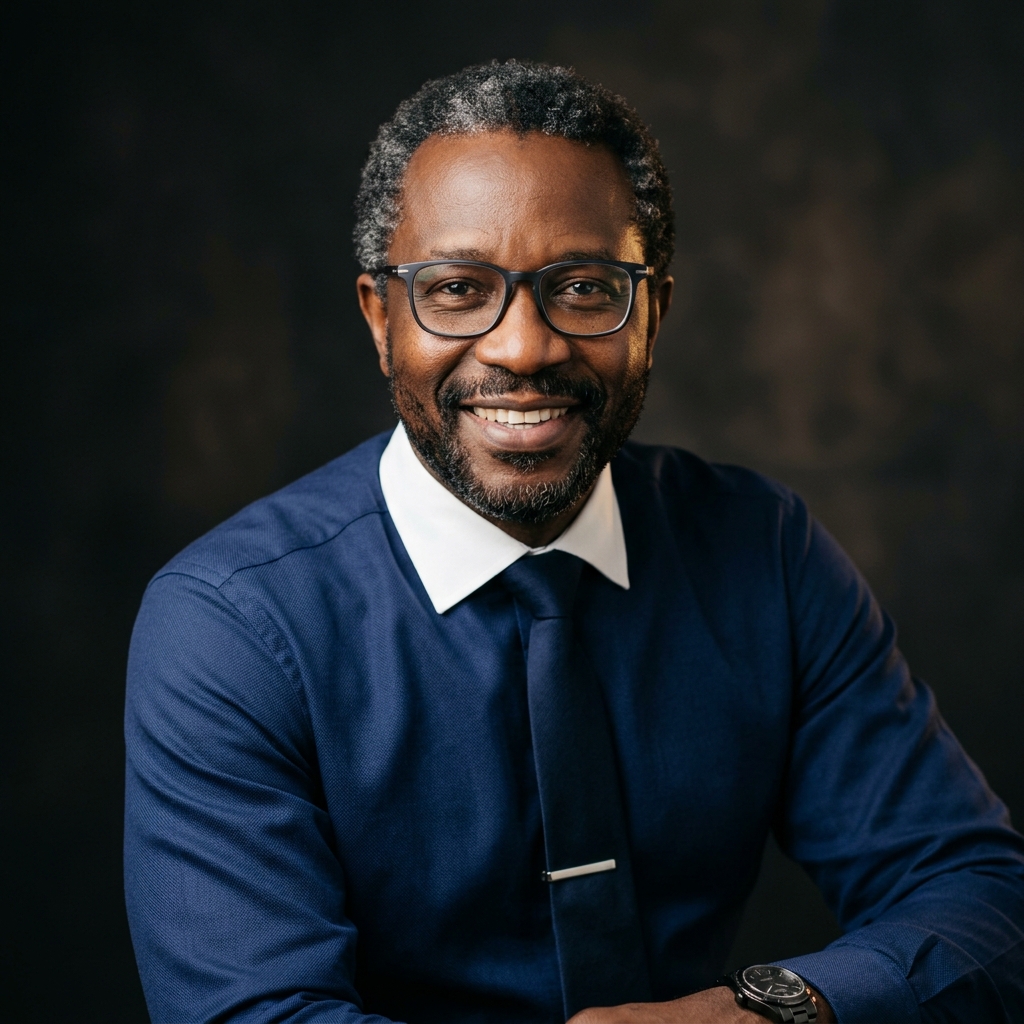
Arthur Oyako
Project Director
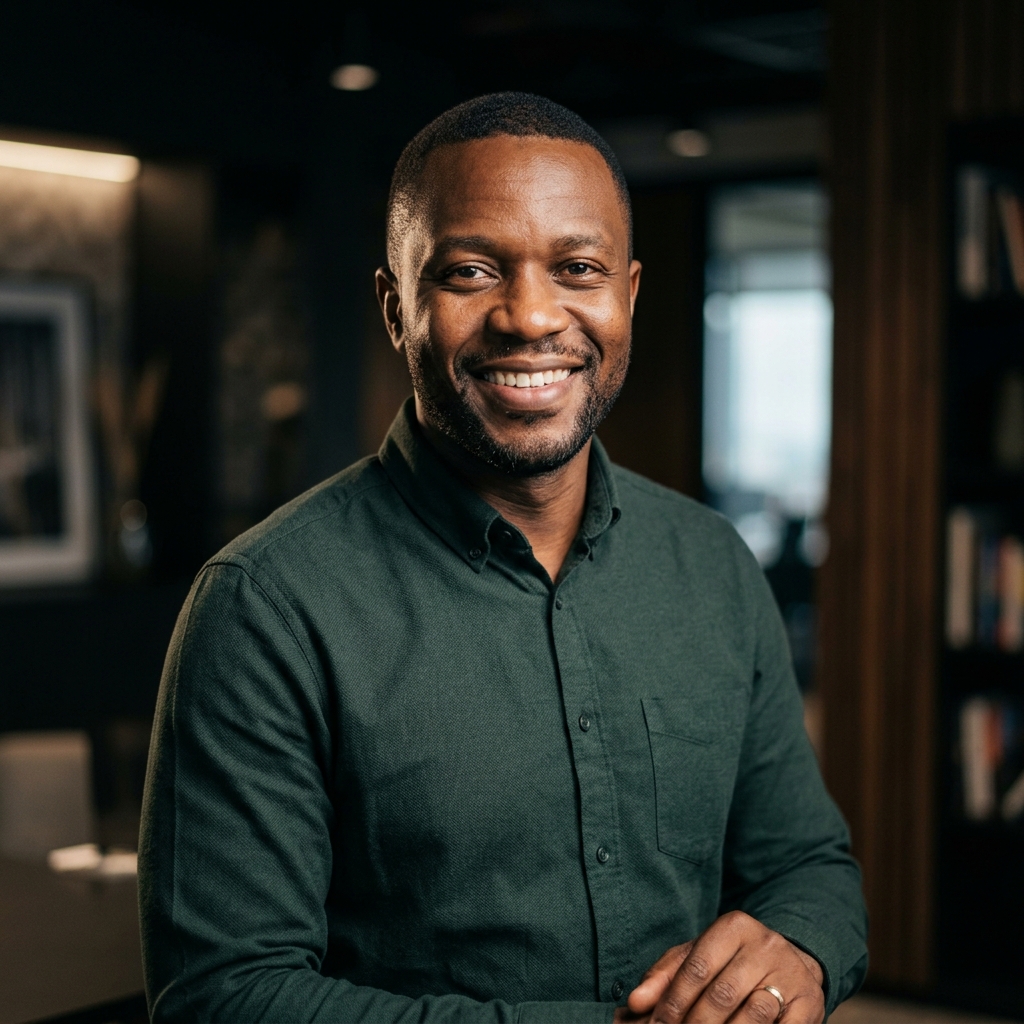
Dominic Lwande
Lead Researcher
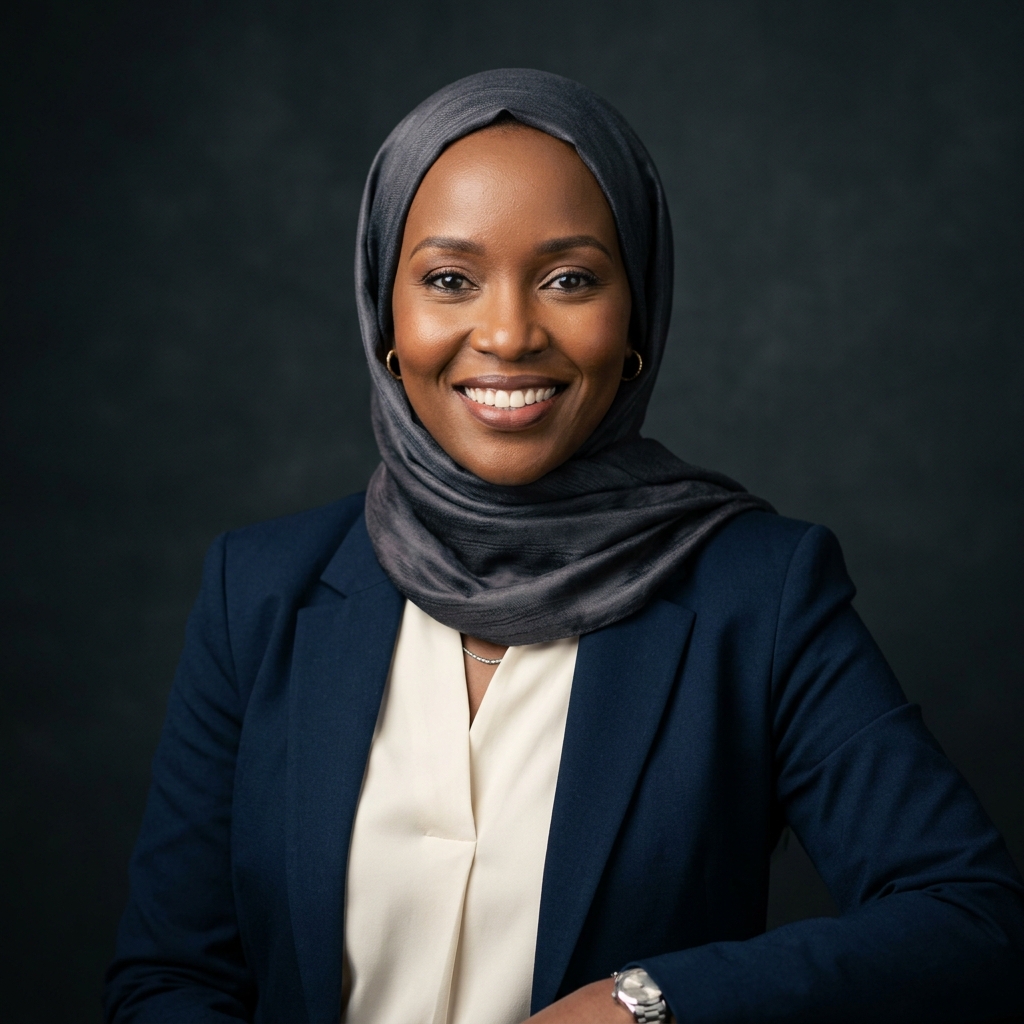
Diana Zoro
Civic Designer
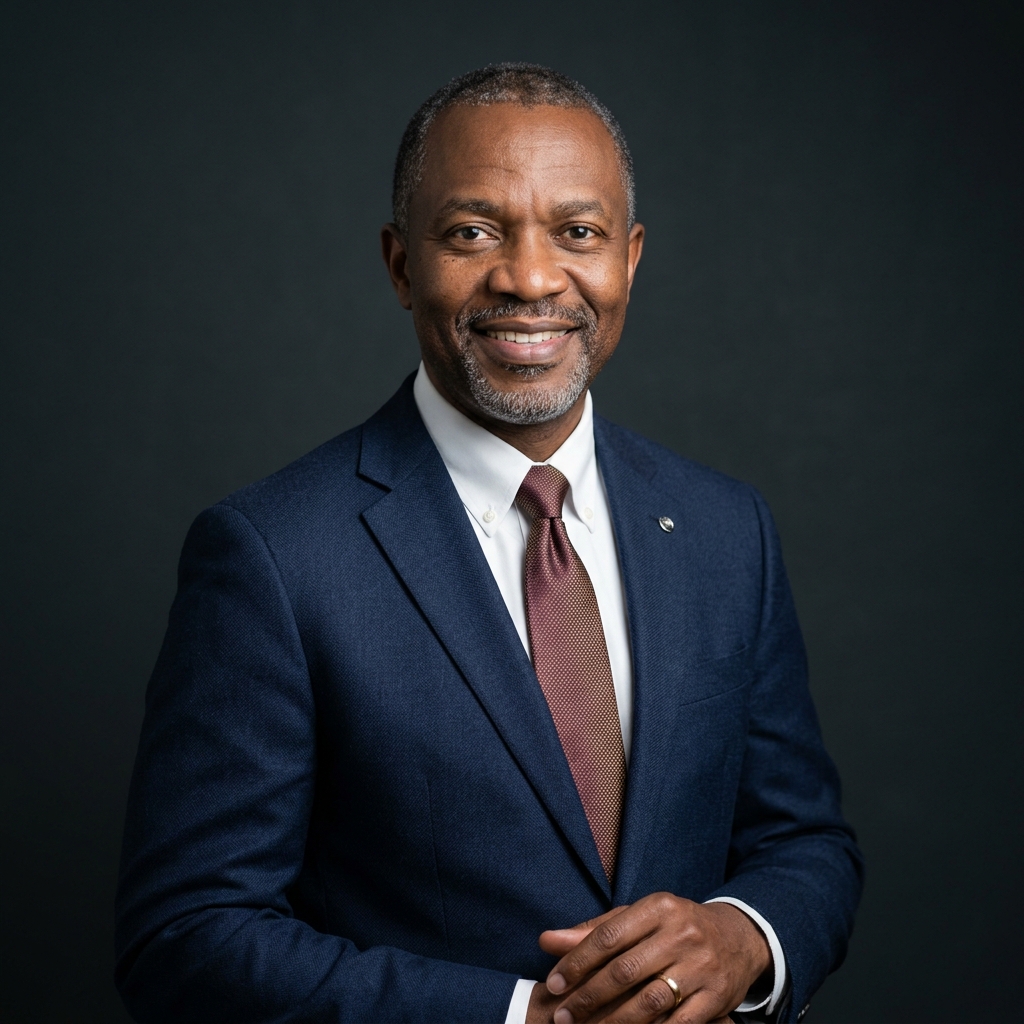
Eli Otieno
AI Engineer
Case Studies
Our Work in Action
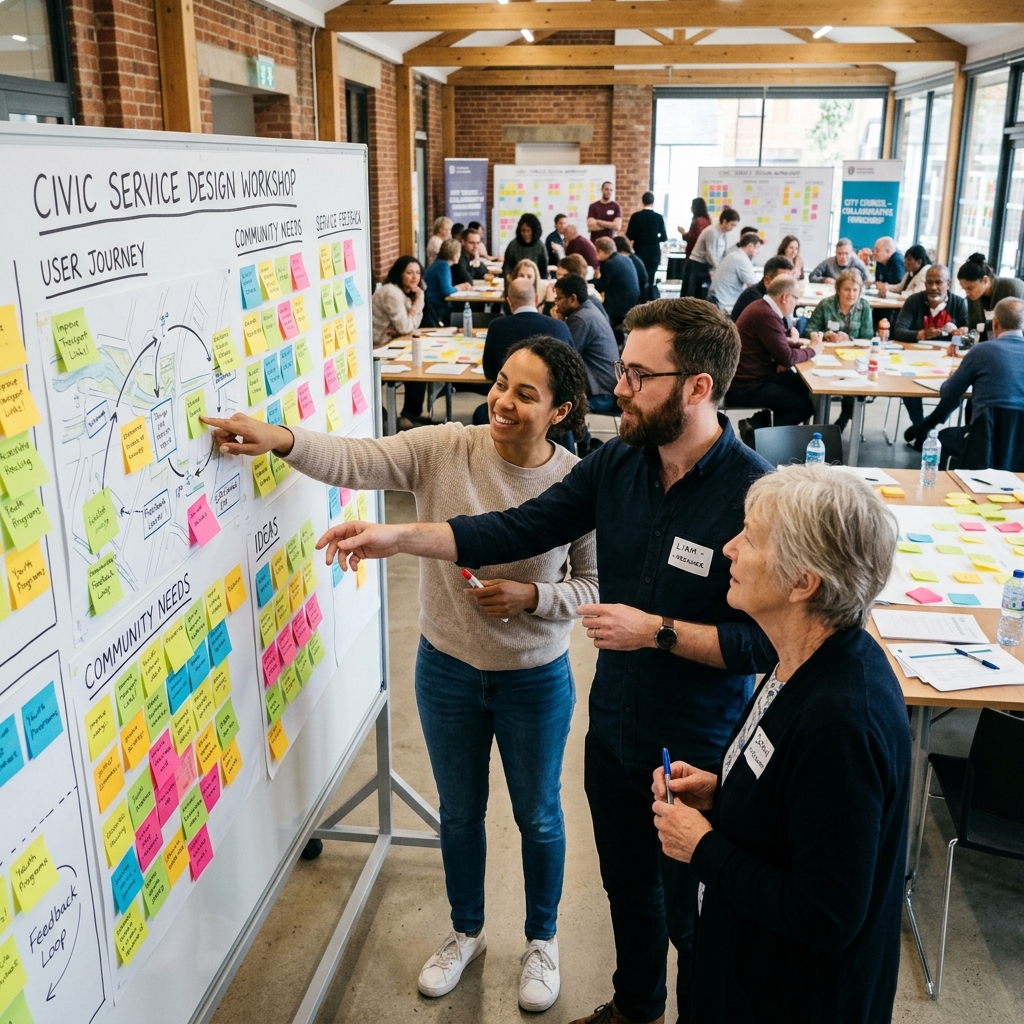
Shaping Kenya’s AI in Health Opportunities Plan
We contributed research to the development of Kenya’s AI in Health Opportunities Plan, helping shape national thinking on how stronger health systems are built in practice. The work focused on the realities of service delivery across households, community health, facilities, and county systems, and highlighted the need for practical, interoperable, county-implemented approaches that improve continuity, strengthen frontline workflows, and close critical service delivery gaps.
This work also sharpened our interest in Community Health Units (CHUs) as a key part of the health system’s last-mile interface. It showed that stronger community and primary care systems depend not only on policy and platforms, but on whether community structures can function effectively in practice — especially in referral closure, local information flows, and frontline support.
What We're Learning
Top 3 Insights
Stronger systems start with continuity, not complexity
The most urgent need is not more fragmented innovation, but systems that work reliably at the frontline. Referral closure, continuity of care, and practical workflows matter more than adding new layers of complexity.
Community Health Units are a critical last-mile structure
CHUs already connect households to nearby facilities and hold trusted relationships within communities. With the right support, they can become stronger systems for referral closure, community intelligence, and frontline coordination.
Frontline realities should shape system design
Health systems function or fail in everyday practice. When referrals are not followed through, data is not used, or frontline workers are unsupported, service delivery weakens. Better design starts by understanding those realities and building around them.
Interested in the Health Practice?
Let's explore how we can partner to drive meaningful impact.
Partner with us